Explore Our Services
What We Offer
Tree Removal
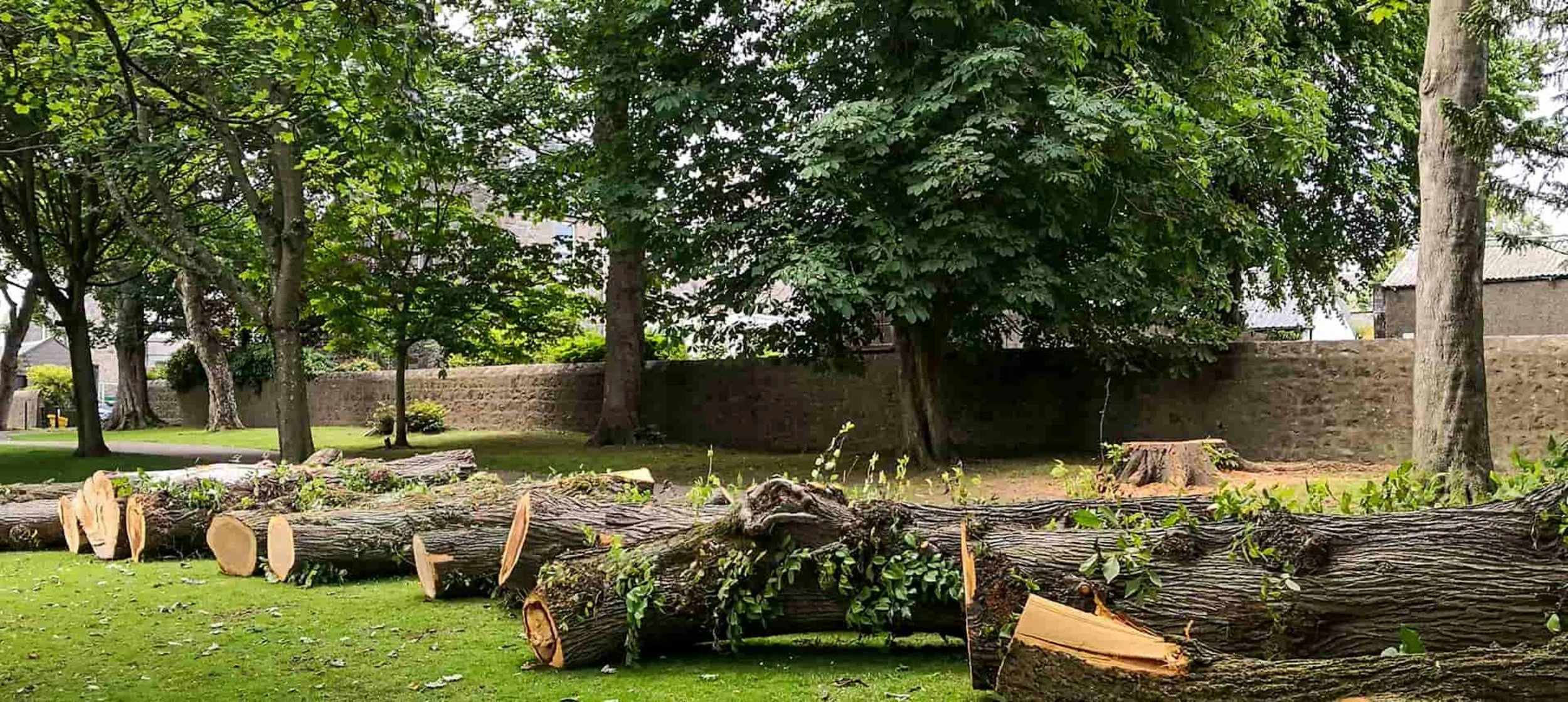
A typical tree removal with Cox’s Quality Tree Service follows a clear, safe process so you know what to expect:
Initial assessment: We inspect the tree, surrounding structures, utilities, and access to determine the safest removal plan and provide a written estimate.
Preparation: We mark the work area, protect nearby landscaping, and notify you of any safety precautions. If needed, we coordinate with utility companies before work begins.
Safety setup: Crew-members put on personal protective equipment, set up cones or barriers, and position rigging and ropes or a crane if required.
Removal: For small to medium trees we cut branches top-down, lowering sections carefully to the ground. For large or hazardous trees we may use sectional removal—cutting limbs and trunk segments and lowering them with rigging. Stump removal or grinding is available as a separate step if requested.
Cleanup: We haul away cut wood and debris unless you request to keep logs or firewood. Work areas are cleaned and swept; wood chips can be left or removed per your preference.
Final inspection: We walk the site with you to confirm the job meets your expectations and address any remaining questions.
You can expect professional, certified crew members, attention to property protection, adherence to local regulations, and clear communication about timing, costs, and safety throughout the process.
Stump Grinding
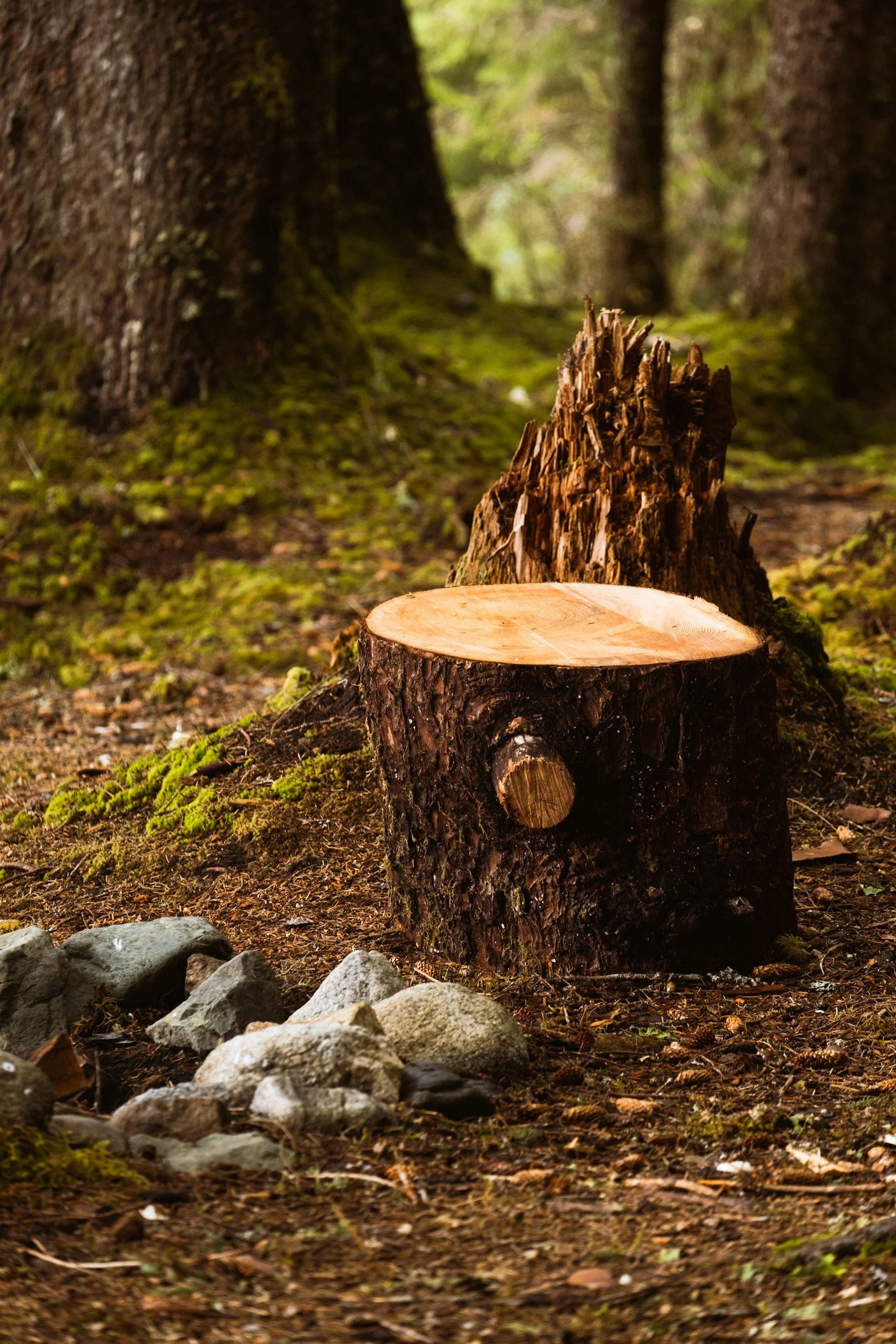
Stump grinding begins with a site assessment to identify obstacles, root spread, and any underground utilities, followed by clearing debris around the stump. A high-powered grinding machine is positioned, and the operator systematically grinds the stump down to a predetermined depth—typically 4 to 12 inches below grade—turning the wood into coarse mulch. The resulting mulch and remaining root debris are raked and can be left in the hole for backfilling, hauled away, or used as ground cover. Finally the area is leveled and backfilled with native soil (or topsoil if requested), leaving the site safe, tidy, and ready for planting or landscaping.
Sawmill
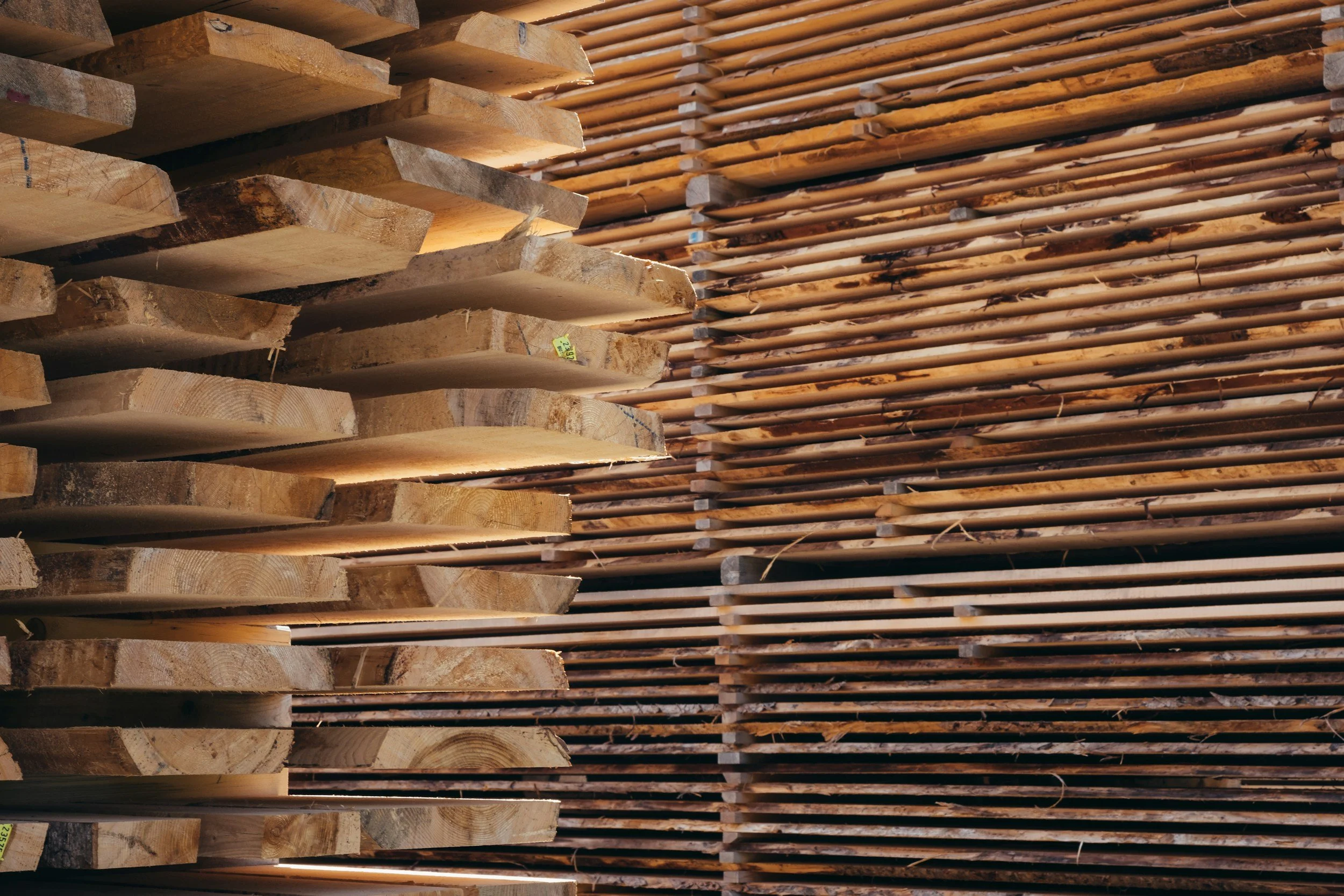
A sawmill turns felled trees into usable lumber. At Cox’s Quality Tree Service we sort logs by species, size, and quality, debark and mill them into boards or beams, then edge, trim, and grade. Lumber is kiln- or air-dried as needed. Byproducts (slabs, chips) are reclaimed for firewood, mulch, or biomass.
Purpose:
Homeowners: mill your trees into custom boards, siding, flooring, beams, or furniture—preserving character and often lowering material costs; kiln-drying and grading make lumber stable for interior or structural use.
Contractors/builders: on-site milling yields dimensionally accurate, project-specific lumber with short lead times and savings on specialty or reclaimed timber.
Eco-minded clients: local milling reduces transport, maximizes material use, and reclaims timber that might be chipped or hauled off.
We handle:
Species-specific milling (grain, hardness, drying behavior)
Optimal log orientation and cutting patterns (quarter- vs plain-sawn) to maximize yield and appearance
Moisture control and recommended drying/target moisture for intended use
Grading and sizing to meet codes or custom specs
From a few boards to larger quantities, we manage milling, drying, grading, and quality checks so you receive usable, well-prepared lumber from your trees.
Wood Chipping
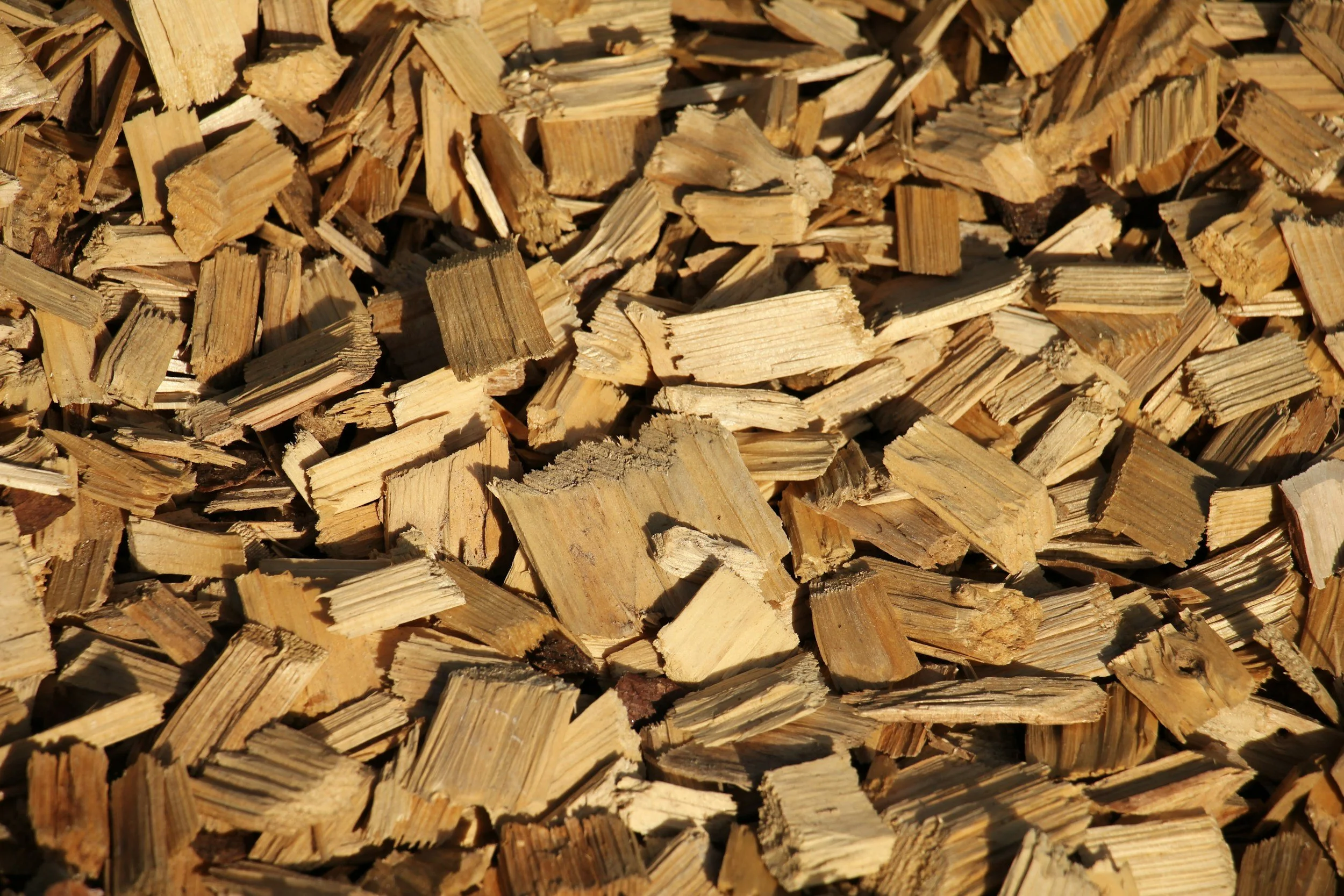
Wood chips are produced by feeding branches, limbs, and brush into a high-powered chipper that slices material into uniform pieces. The process quickly reduces bulky debris into manageable chips that are easy to transport and store, while helping recycle organic waste on-site.
Common uses for wood chips include mulch for landscaping and erosion control, pathways and playground surfacing, biomass fuel for boilers, soil amendment to conserve moisture and suppress weeds, and as raw material for composting or animal bedding. These practical applications make chipped wood a versatile, eco-friendly byproduct of tree work.
Tree Planting and Replacement
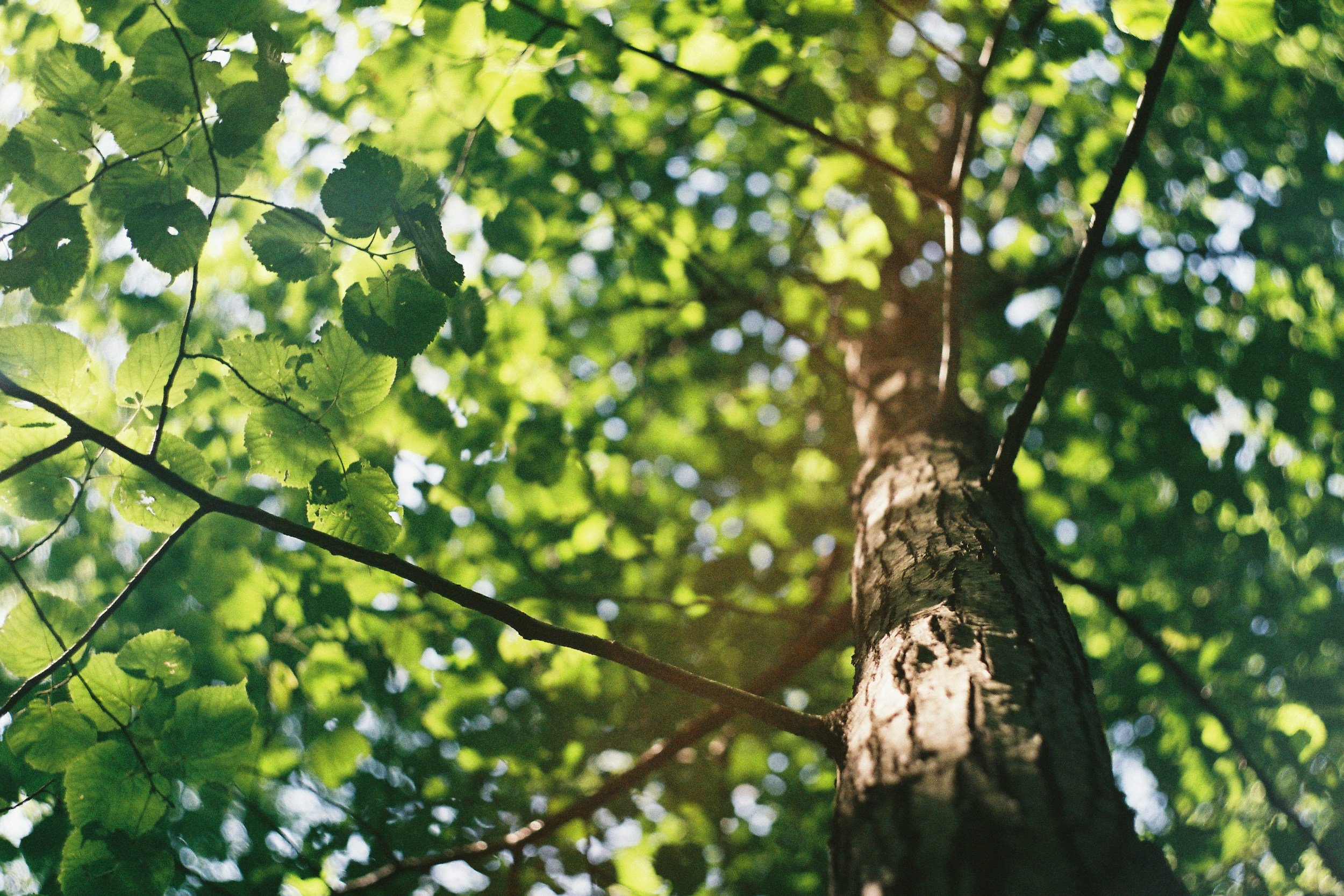
Tree planting and replacement at Cox’s Quality Tree Service begins with a site assessment to match species to soil, sunlight, and space constraints. We remove old or hazardous trees with careful root and stump treatment, preserving surrounding turf and structures. Planting follows industry best practices: properly sized and prepared planting holes, correct root flare placement, backfilling with native soil, and gentle tamping to eliminate air pockets. We stake only when necessary to prevent movement, apply appropriate mulch to conserve moisture and suppress weeds, and install slow-release fertilizer or soil amendments as needed.
Post-planting care includes watering schedules tailored to season and species, periodic inspections for pests or disease, and formative pruning to encourage strong structure. Our goal is to use careful work and proven processes at every step to promote healthy root establishment and long-term tree vigor.
Fertilization
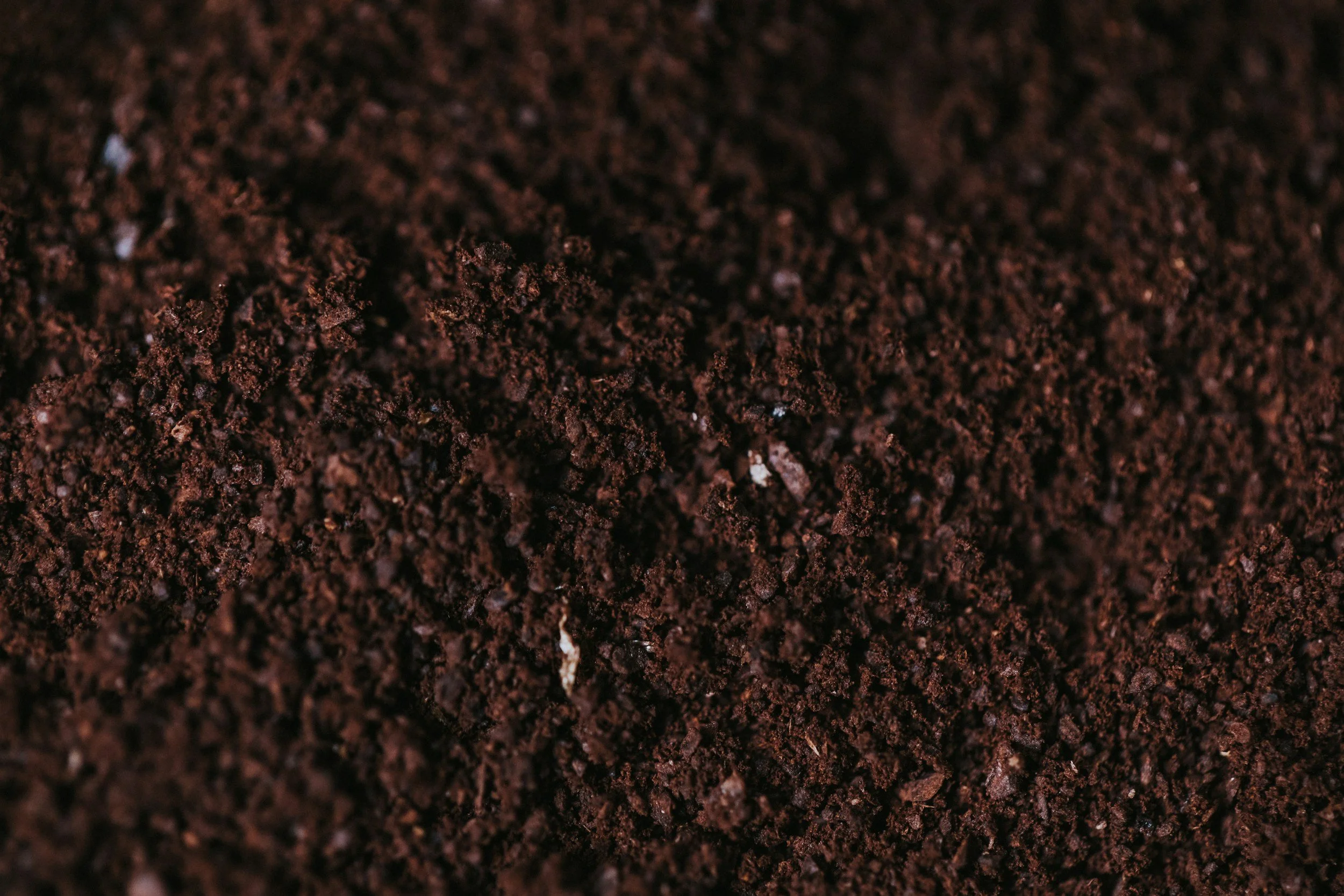
Tree fertilization begins with a professional assessment of soil and tree health, followed by targeted application of slow-release nutrients either through soil treatments, root injections, or granular top-dressing to correct deficiencies and promote deep root growth. Our certified team uses calibrated equipment, lab-grade fertilizers, and timing based on species and seasonal needs to maximize uptake and minimize runoff.
Compared with DIY, our services reduce risk of over- or under-fertilizing, prevent root or foliage damage from improper application, ensure correct dosage and placement for long-term vigor, and include follow-up monitoring so trees receive the right care at the right time — preserving tree health, property safety, and landscape value.